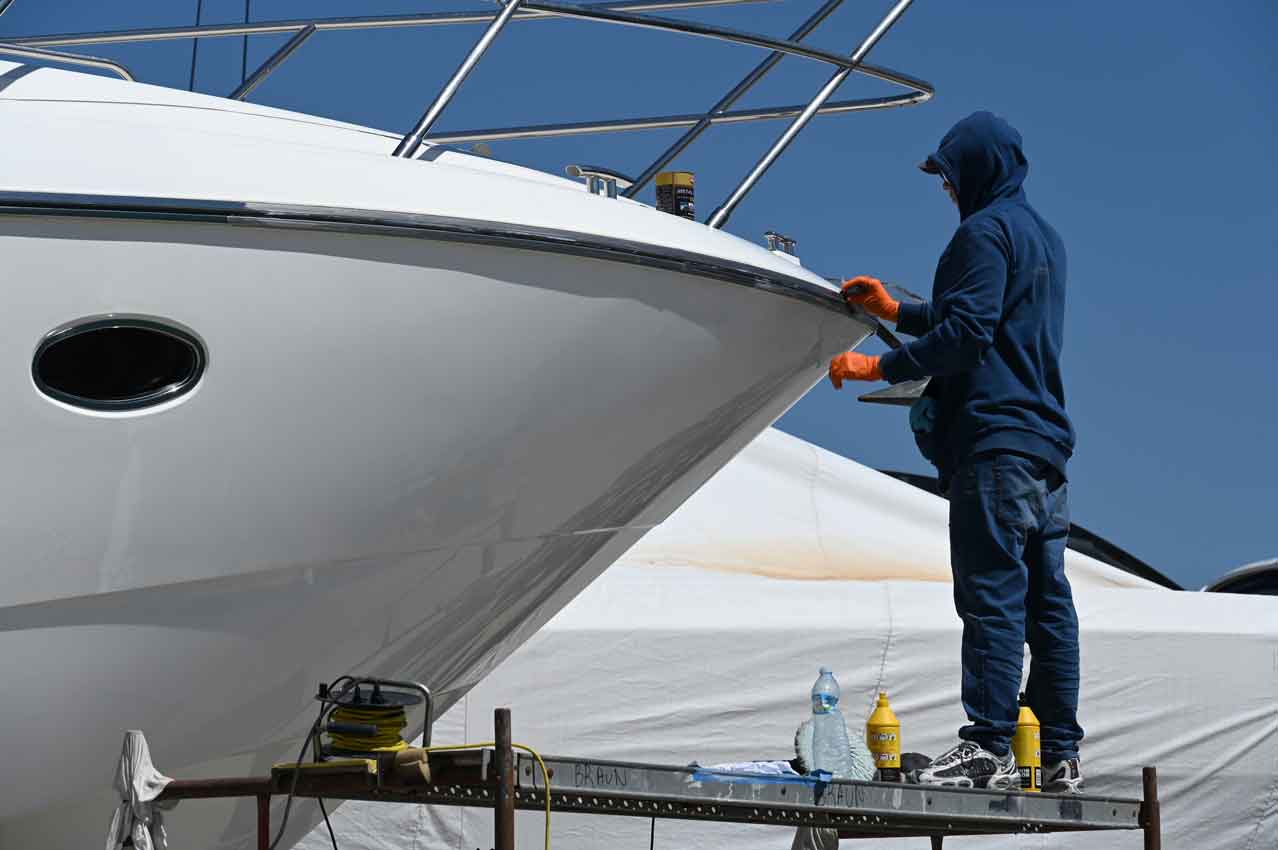
Ahoy, neighbour! If your weekends revolve around casting off from Victoria Harbour or cruising the glass-calm stretch of the Bay of Quinte, you already know boats are more than toys—they’re floating memories in the making. But just like a lakefront cottage needs a fresh stain and a tuned furnace, your vessel needs regular boat maintenance to stay adventure-ready. In this guide, I’ll walk you through everything—from seasonal checklists and common repairs to local Belleville-specific tips—so you spend more time chasing sunsets and less time chasing leaks.
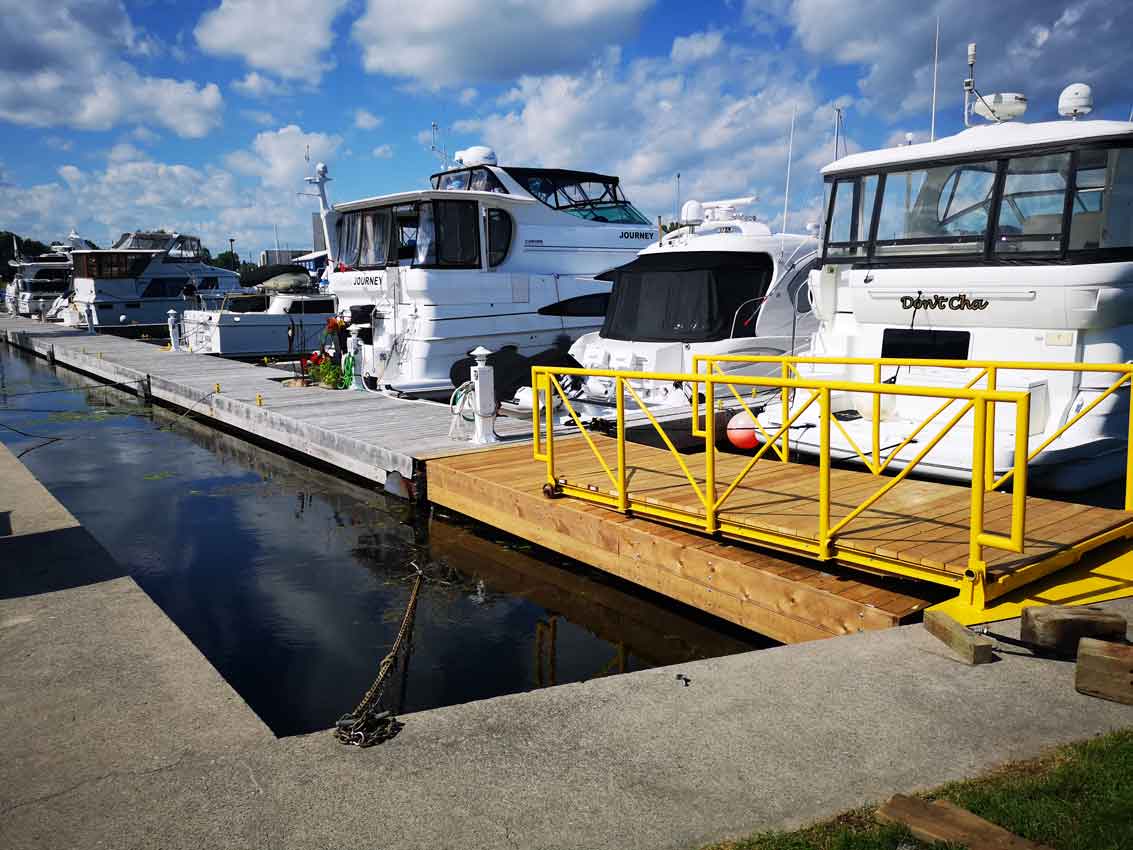
Why Regular Boat Maintenance Matters in Belleville
Belleville’s unique mix of freshwater, fluctuating lake levels, and freeze-thaw winters creates the perfect cocktail for corrosion, hull blistering, and sneaky engine issues. Skipping upkeep can:
- Drain your wallet later – A $50 anode today can prevent a $5 000 gear-case replacement tomorrow.
- Shorten boating season – Breakdowns steal precious July weekends; preventive care keeps you on the water.
- Lower resale value – Well-maintained boats in Prince Edward County listings close faster and fetch thousands more.
Bottom line: protecting your investment starts with a simple, consistent plan. Let’s dive in.
The Belleville Boater’s Seasonal Maintenance Checklist
Spring (April–May)
- De-winterize: Flush antifreeze, reconnect fuel lines, and charge batteries.
- Inspect the hull: Look for stress cracks from ice pressure at Meyers Pier.
- Change fluids: Oil, gear lube, power-trim fluid—fresh every spring.
- Test electronics: Depth finders and VHF radios often corrode after Quinte’s damp winters.
Summer (June–August)
- Weekly wash-downs: Rinse off zebra-mussel debris after anchoring near Zwick’s Island.
- Propeller checks: The shallow shoals around Telegraph Narrows love chewing props—inspect blades for dings.
- Bilge & blower: Sniff for fuel odours and run blowers 4 min before ignition.
Fall (September–October)
- Engine flush: Run fresh water through cooling systems after your final Murray Canal cruise.
- Fuel stabilizer: Ethanol blends at Belleville marinas separate over winter—add stabilizer before topping off.
- Canvas care: Clean and dry cockpit covers; mildew forms quickly in damp fall air.
Winter (November–March)
- Full winterization: Antifreeze, fogging oil, and cylinder lubrication are must-dos before Belleville’s −20 °C nights.
- Battery storage: Trick-charge batteries indoors; Belleville’s freeze cycles ruin plates if left on board.
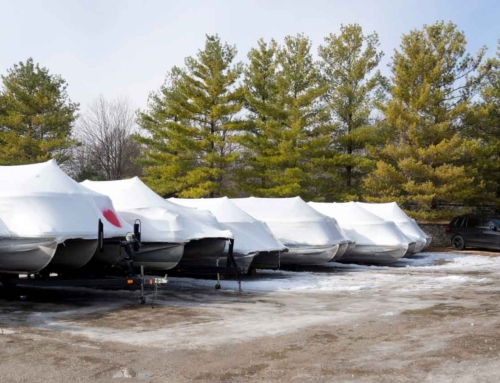
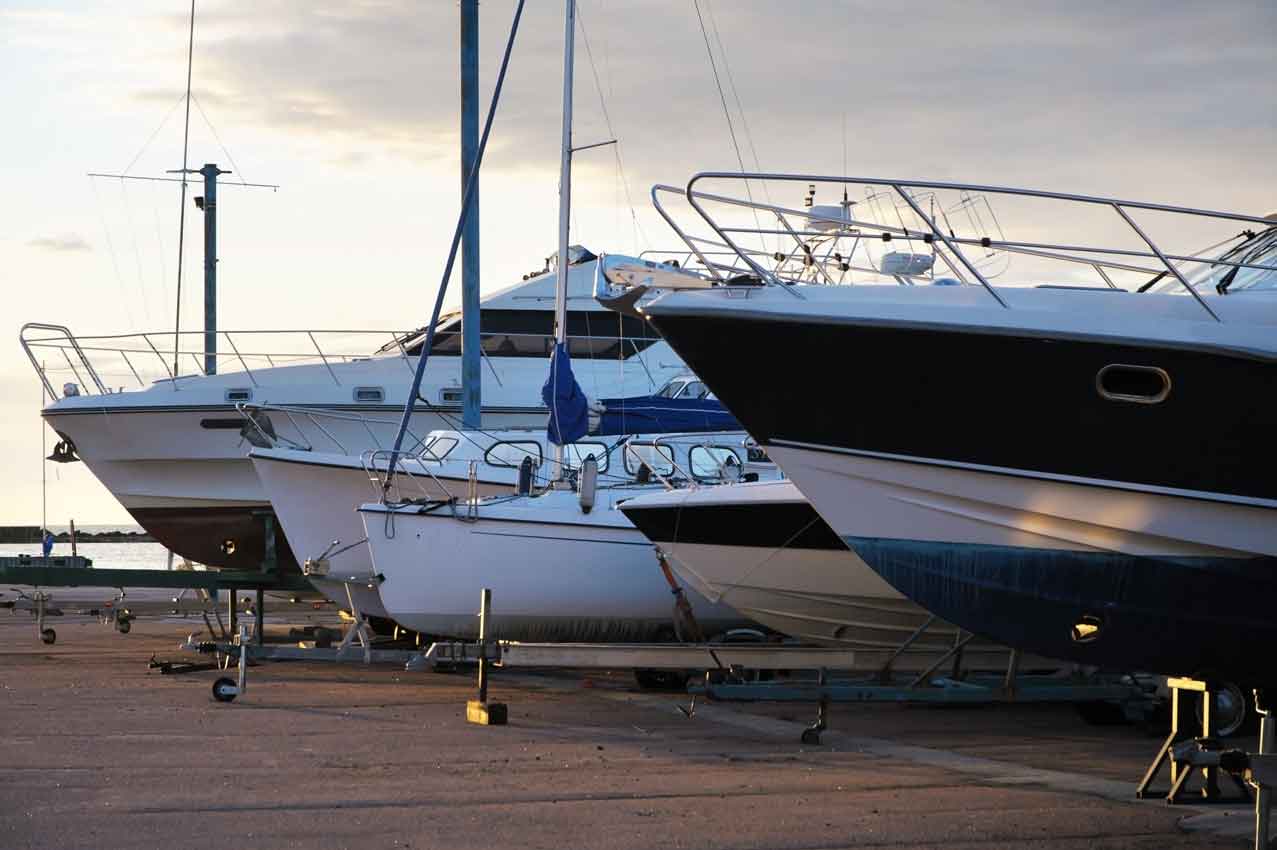
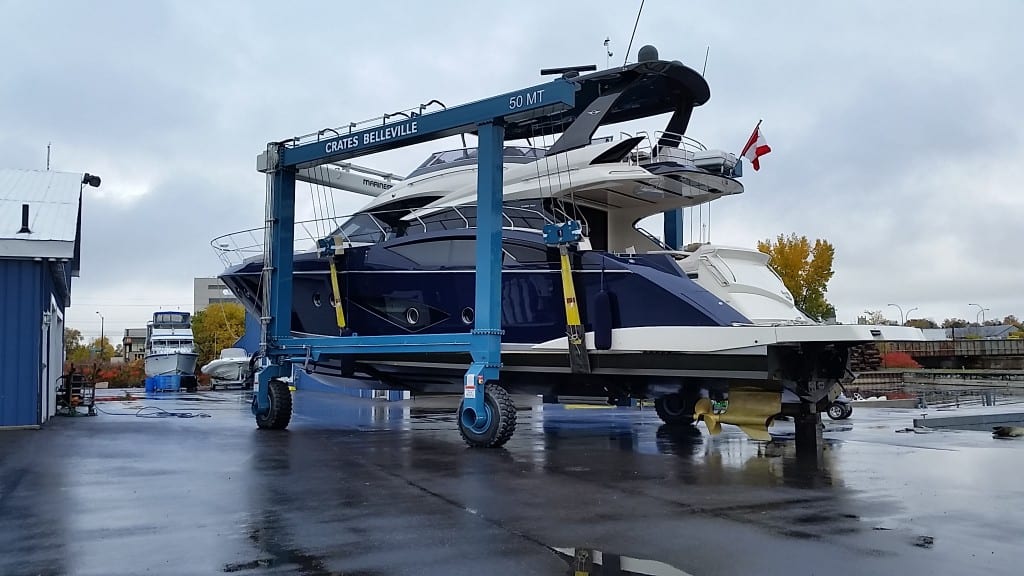
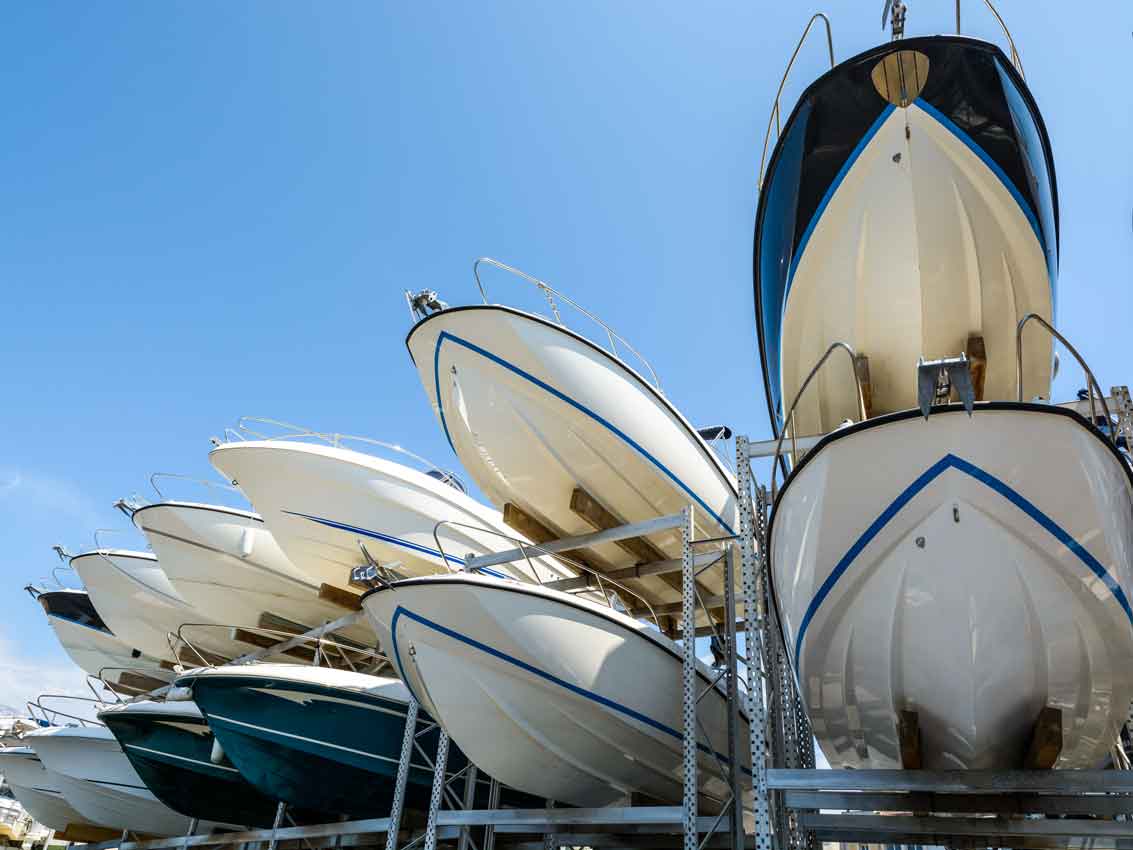
Shrink-wrap or indoor storage: Heavy lake-effect snow can buckle tarps—consider professional wrap at Crate Marine’s heated facility.
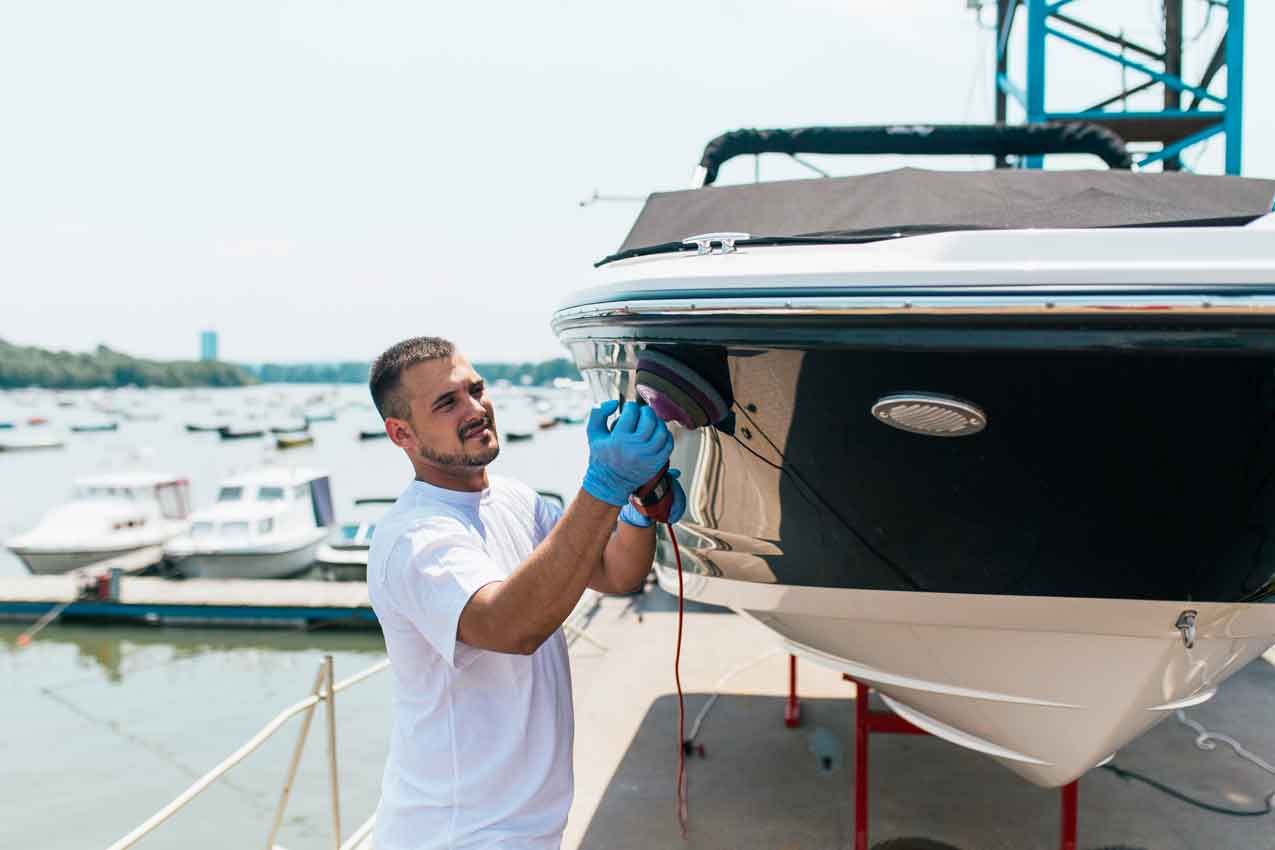
Easy DIY Boat Care: 5 Jobs You Can Do Yourself
Keep your regular boat maintenance on track with these quick, no-stress tasks you can handle in the driveway or at the dock.
| Job | When to Do It | Simple How-To |
| Rinse & Wash the Hull | After every ride, especially if you cruised over shallow, muddy spots. | Hose the boat with fresh water. Add a squirt of mild boat soap to a bucket, scrub with a soft brush, then rinse again. |
| Swap Out Worn Anodes | Peek once a month; change when half-gone. | Unscrew the bolt, pop the old anode off, slide a new one on, and tighten. Ten minutes, tops. |
| Change Engine Oil | Each spring or every 100 running hours. | Warm the motor for a few minutes. Use a small hand pump to suck out old oil, spin on a new filter, and pour in fresh oil to the fill mark. |
| Check the Propeller | Monthly—or any time you bump something underwater. | Pull the cotter pin and nut, slide the prop off, look for dents or fishing line, smear a little marine grease on the shaft, and put it back. |
| Give the Battery Some Love | Once a month and before winter. | Mix baking soda and water to clean the posts, rinse and dry, dab on a bit of grease, tighten the cables, and make sure it’s fully charged. |
Common Repairs We Handle Every Week
- Fuel-system overhauls: Ethanol separation leads to gummy carbs—our ultrasonic cleaning brings them back to spec.
- Gelcoat chips: Dock rash is inevitable at crowded Meyers Pier. Color-matched gelcoat makes scuffs vanish.
- Steering cable replacements: If your helm feels “crunchy,” corroded cables may snap at the worst time.
- Transducer upgrades: Quinte’s world-class walleye deserve crisp sonar—swap dated units for CHIRP clarity.
- Trailer brake services: Salted Hwy 401 is brutal on drum brakes—annual inspections prevent roadside surprises.
Each fix comes with a detailed report, before-and-after photos, and a maintenance roadmap so you sail away confident.
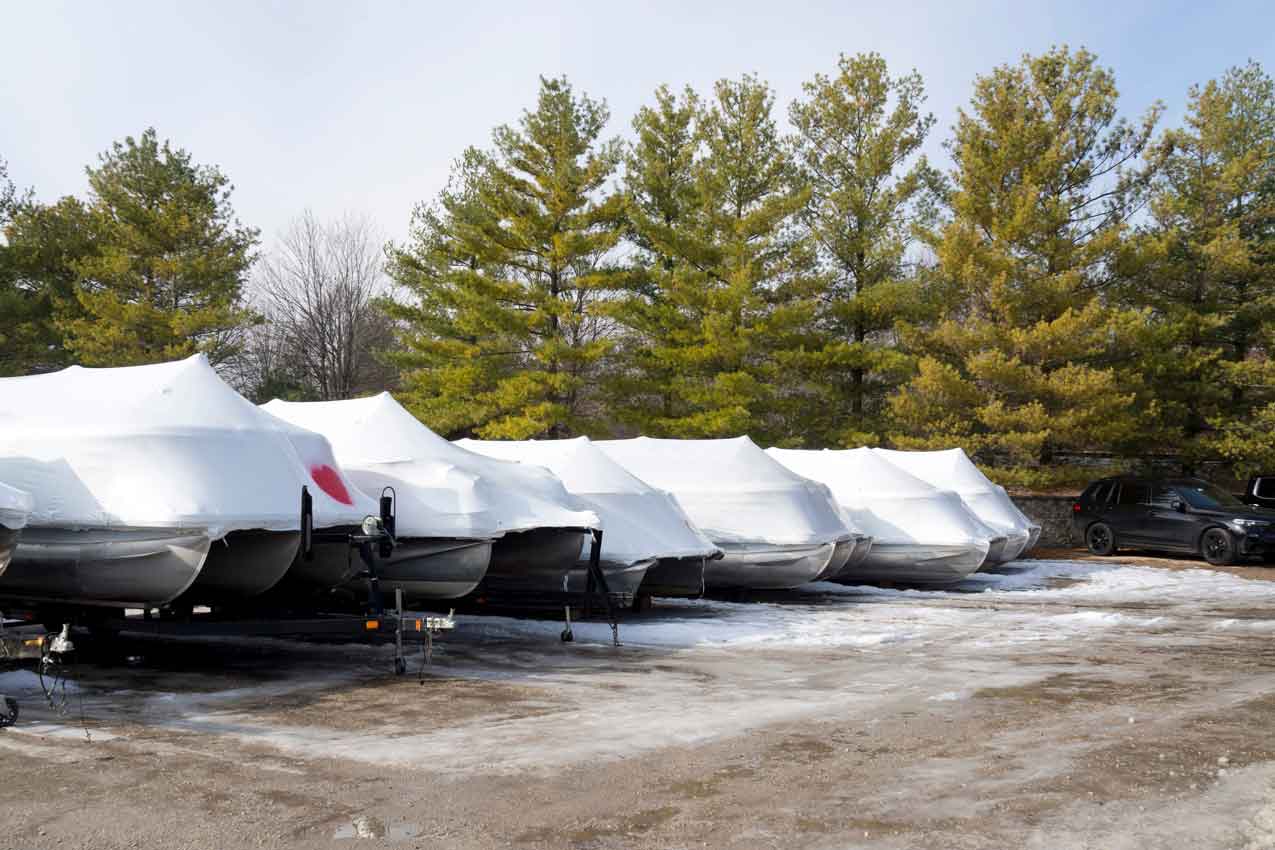
Winterization & Off-Season Storage Tips for Belleville Owners
- Pick the right antifreeze – Use −50 °C marine antifreeze; automotive blends can corrode seals.
- Fog the cylinders – Two-second bursts while cranking keep internals rust-free.
- Drain every drop – Water left in manifolds cracks cast iron during Belleville’s January deep-freeze.
- Ventilation matters – Leave moisture absorbers inside cabins to fight mould.
- Document everything – Snap photos of battery wire positions; April you will thank November you.
Get Back on the Water
Regular boat maintenance is the quiet hero behind every carefree cruise on the Bay of Quinte. By ticking off seasonal checklists, tackling simple DIY jobs—like rinsing the hull, swapping anodes, changing oil, greasing the prop, and caring for batteries—and staying mindful of Belleville-specific hazards such as shallow channels, zebra mussels, and sudden storm cells, you safeguard both your vessel and your summer plans.
Pair those efforts with timely professional help for complex repairs, and your boat remains reliable, valuable, and ready for countless shoreline sunsets. In short, a little attention year-round translates into longer seasons, lower costs, and smoother sailing on Belleville’s beloved waters.