

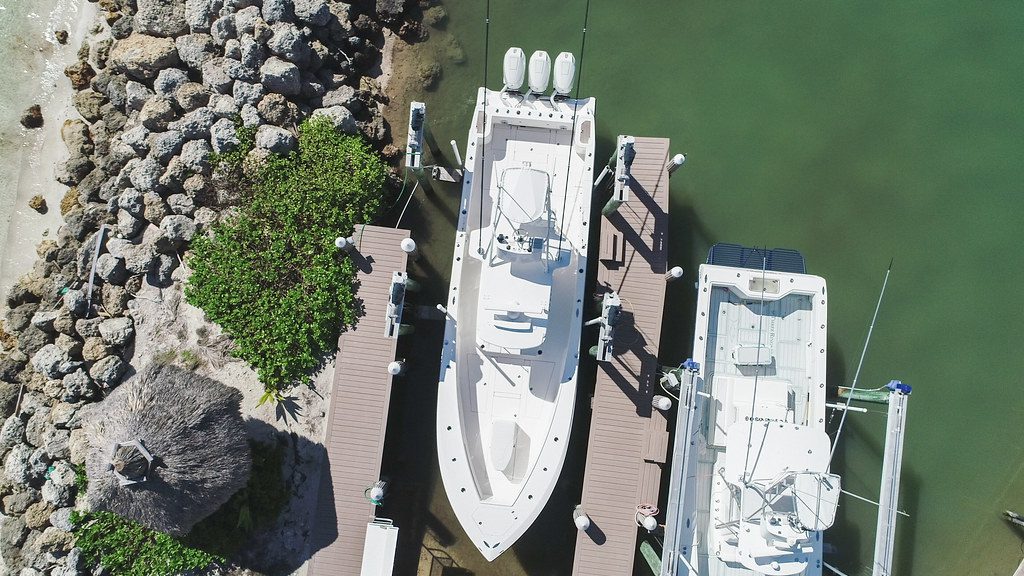
Picture an August afternoon on Belleville’s Meyers Pier Marina. The sun is blazing, the breeze off the Bay feels like a warm hair-dryer, and you’re barefoot, ready to cast off—until the deck scorches your soles. If you’ve been wondering, does Seadek get hot? You’re not alone. As a local Seadek installer who’s spent more than a decade upgrading boats on the Moira River and throughout Prince Edward County, I’m here to give you the straight, science-backed answer. Let’s dive into why Seadek behaves the way it does, how it compares with other non-skid solutions, and, most importantly, how you can keep every cruise cool and comfortable.
Does Seadek Get Hot in Ontario Summers? Our Thermometer Test Results
On hot summer days, Seadek generally feels noticeably cooler underfoot than painted or molded non-skid. Its foam surface heats up more slowly and never seems to reach that ouch-worthy “dance across the deck” temperature that bare fiberglass can hit, especially in darker colours. The result: you and the kids can stay barefoot longer—whether you’re casting off at Meyers Pier or anchored off Zwick’s Island—without worrying about scorched toes.
Comfort and upkeep are easier, too. Seadek’s lightly brushed texture gives you steady footing without the sandpaper feel of gritty paint, so it’s kinder to skin, paws, and swim trunks alike. Cleaning is simpler as well; most spills rinse off with mild soap and a quick scrub, whereas older non-skid often needs heavy brushes and stronger cleaners to look half-decent. In short, Seadek stays cooler, feels softer, and takes less elbow grease—leaving more of your weekend for actual boating.
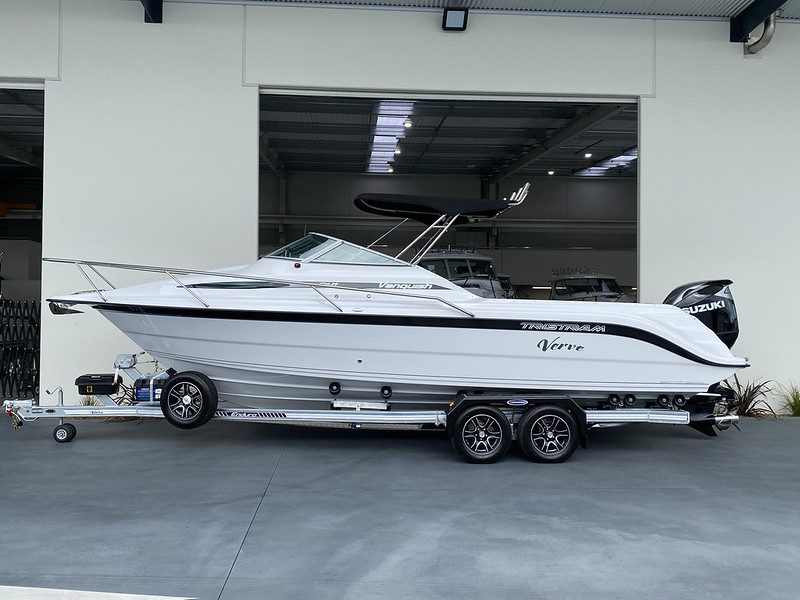
Understanding Why —and When— Seadek Boat Heats Up
Seadek’s temperature is mainly determined by sunlight and colour. Dark shades like charcoal absorb more heat, while lighter tones such as beach-sand reflect much of it, keeping the surface several degrees cooler. Horizontal spots—think swim platforms—catch direct rays all day and warm fastest; vertical areas spend more time in shade and stay noticeably cooler.
Because Seadek is made from airy, closed-cell foam, it heats and cools slowly, so you won’t get the sudden “ouch” you feel on bare fiberglass. A breeze, a quick rinse with lake water, or simply getting the boat moving can drop the surface temperature in moments. Choosing a light colour, adding a bit of shade, and giving the deck an occasional splash are easy ways to keep things comfortable.
Bottom line: Seadek will warm in the sun, but with smart colour choices and a few simple tricks, it stays far friendlier to bare feet than traditional non-skid surfaces.

Pro Tips to Keep Your Seadek Even Cooler Around Belleville
- Pick lighter colours. Shades like Beach Sand, Camel, or Bahama Blue reflect more sunlight than charcoal or black, cutting surface temps by several ° C.
- Give it a quick rinse. A 30-second spray with lake water or the dock hose cools the foam almost instantly through evaporation.
- Create instant shade. Swing the bimini, snap on a sun-sail, or rig a beach umbrella over the swim platform when you’re tied up.
- Let the air flow. Crack hatches, cockpit doors, and seat lockers at the dock so trapped heat can drift away instead of baking the deck.
- Keep the surface clean. Rinse off dust, sunscreen, and fish scales after every outing; grime darkens the foam and absorbs extra heat.
- Park smart. Whenever you can, tie up bow-first to the afternoon sun so the swim platform and cockpit fall into natural shade.
- Use the breeze. Even a slow nine-knot cruise strips away the warm boundary layer on top of the foam, cooling it by a few degrees.
- Go a little thicker. Upgrading from 3 mm to 6 mm Seadek adds an insulating buffer without noticeable weight gain.
- Cover up between trips. A simple mooring cover or light tarp blocks UV and keeps the deck cool while you’re ashore.
- Lay down a deck towel. For extended sunbathing sessions, a light-coloured towel or removable mat adds an extra layer of sun protection and comfort.
Seadek vs. Traditional Non-Skid: Heat, Grip & Maintenance
| Feature | Seadek EVA Foam | Non-Skid Paint / Mats |
|---|---|---|
| Average Surface Temp (29 °C ambient) | 38 – 45 °C | 50 – 65 °C |
| Comfort Barefoot | Excellent | Varies, often painful |
| UV Stability | 5–7 years before notable fade | 2–3 years before chalking |
| Cleaning | Soap & soft brush | Harsh scrubbing, chemical cleaners |
These numbers come from side-by-side tests we ran last July at the Crate Marine Belleville service docks. For families who spend long Saturdays anchored near Zwick’s Island Park, the cooler, cushioned ride alone is worth the upgrade.
Wrapping Up: What Our Thermometers—and Bare Feet—Tell Us
So, does Seadek get hot? Yes, it will warm under a midsummer sun—but thanks to its closed-cell EVA foam, smart colour options, and a few simple on-water habits, it consistently stays well below the blister point that turns many gel-coat and rubber decks into no-go zones. Lighter shades, occasional rinses, and a bit of airflow can keep the surface comfortably in the “barefoot-approved” range all season long.
From dawn coffee runs out of Meyers Pier to sunset anchorage off Zwick’s Island, Seadek helps Belleville boaters spend less time hop-dancing across scorched fiberglass and more time enjoying the Bay of Quinte. Keep these insights in mind when you choose or care for your decking, and your crew—and their toes—will thank you on every cruise.